Static behavior
Static behavior refers to a structural component's response to constant or slow-moving loads, where the system remains in equilibrium and the effects of inertia and damping are negligible.
In an era where precision is non-negotiable, Structural Performance Simulation serves as the bridge between visionary design and real-world reliability. We leverage advanced computational power to predict how your structures will behave under pressure.
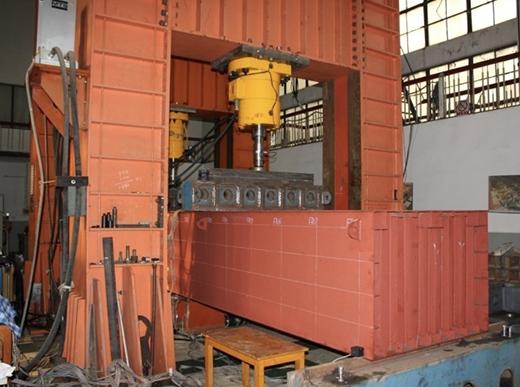
Static behavior refers to a structural component's response to constant or slow-moving loads, where the system remains in equilibrium and the effects of inertia and damping are negligible.
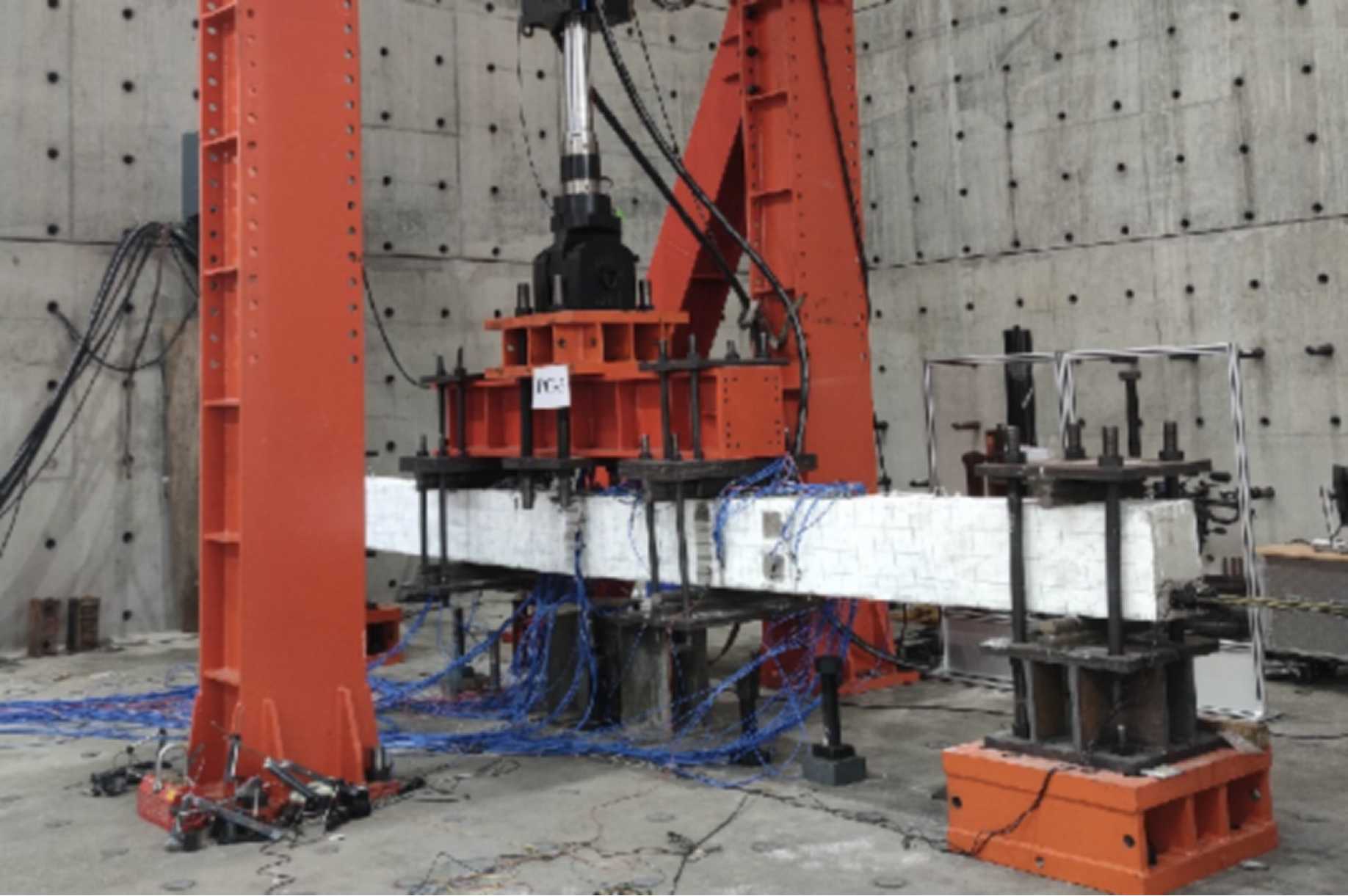
Quasi-static behavior describes a structural response where loads are applied so slowly that the system is considered to be in continuous equilibrium, effectively treating a time-dependent process as a sequence of static states.
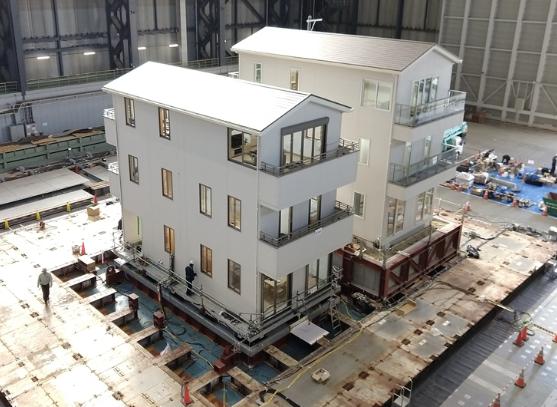
Dynamic behavior refers to a structural system's response to loads that vary rapidly over time, where the effects of inertia and damping become dominant factors in the structural integrity.
We specialize in advanced numerical analysis and performance simulation for a diverse range of structural systems, including reinforced concrete, steel, wood, and composite structures. By leveraging high-fidelity computational models, we evaluate the complex behavior of these materials under both static and dynamic loading conditions.
Utilizing high compressive strength and versatile molding capabilities, these systems provide durable, fire-resistant foundations for modern infrastructure and high-rise developments.
Characterized by an exceptional strength-to-weight ratio and ductility, steel frameworks enable long-span designs and rapid assembly while maintaining high seismic resilience.
By integrating different materials—such as steel-reinforced concrete—these systems harness the synergistic benefits of each to optimize stiffness, load-bearing capacity, and economic efficiency.
As a sustainable and renewable choice, engineered timber offers lightweight structural integrity and excellent carbon sequestration properties for both residential and commercial projects.
Designed for the secure transport of fluids and gases, these critical networks are engineered to withstand internal pressure, external environmental loads, and long-term corrosion.
Engineered for the harshest environments, these structures are built to endure the complex interactions of hydrodynamic forces, extreme winds, and corrosive maritime conditions.
Ready to elevate your structural designs with precision-driven analysis? Whether you are looking for a deep dive into seismic resilience, a comprehensive numerical simulation for a complex composite project, or an expert assessment of structural integrity, we are here to collaborate. Let’s turn your engineering challenges into validated, high-performance solutions.