Analysis guide
Choose the right analysis
Compare static, quasi-static and dynamic approaches by the physical question, load history and response quantities.
Compare approachesStructural mechanics & numerical analysis
Connecting experiments, computational models and engineering interpretation to understand how structures carry load, accumulate damage and respond to changing demands.
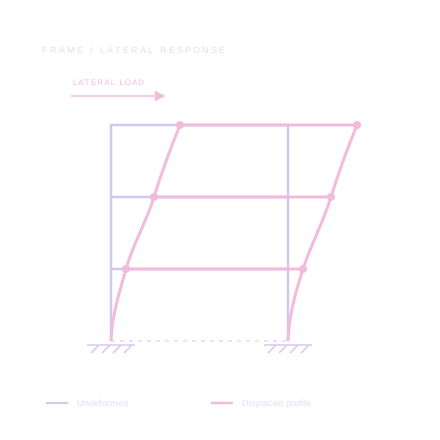
Constitutive response & damage
Load paths & connection behavior
Global response & performance
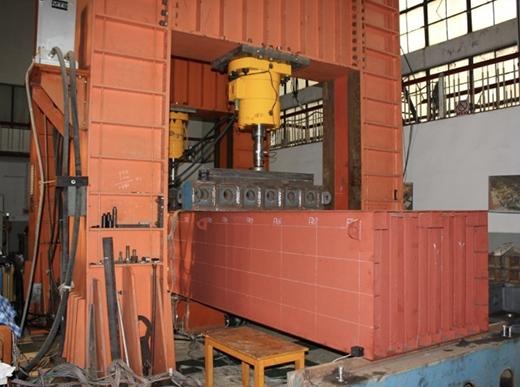
01 / Equilibrium & capacity
Trace how forces move through a structure under sustained or slowly applied loads. Follow stiffness changes, cracking, yielding and instability as the response moves beyond the elastic range.
Explore static analysis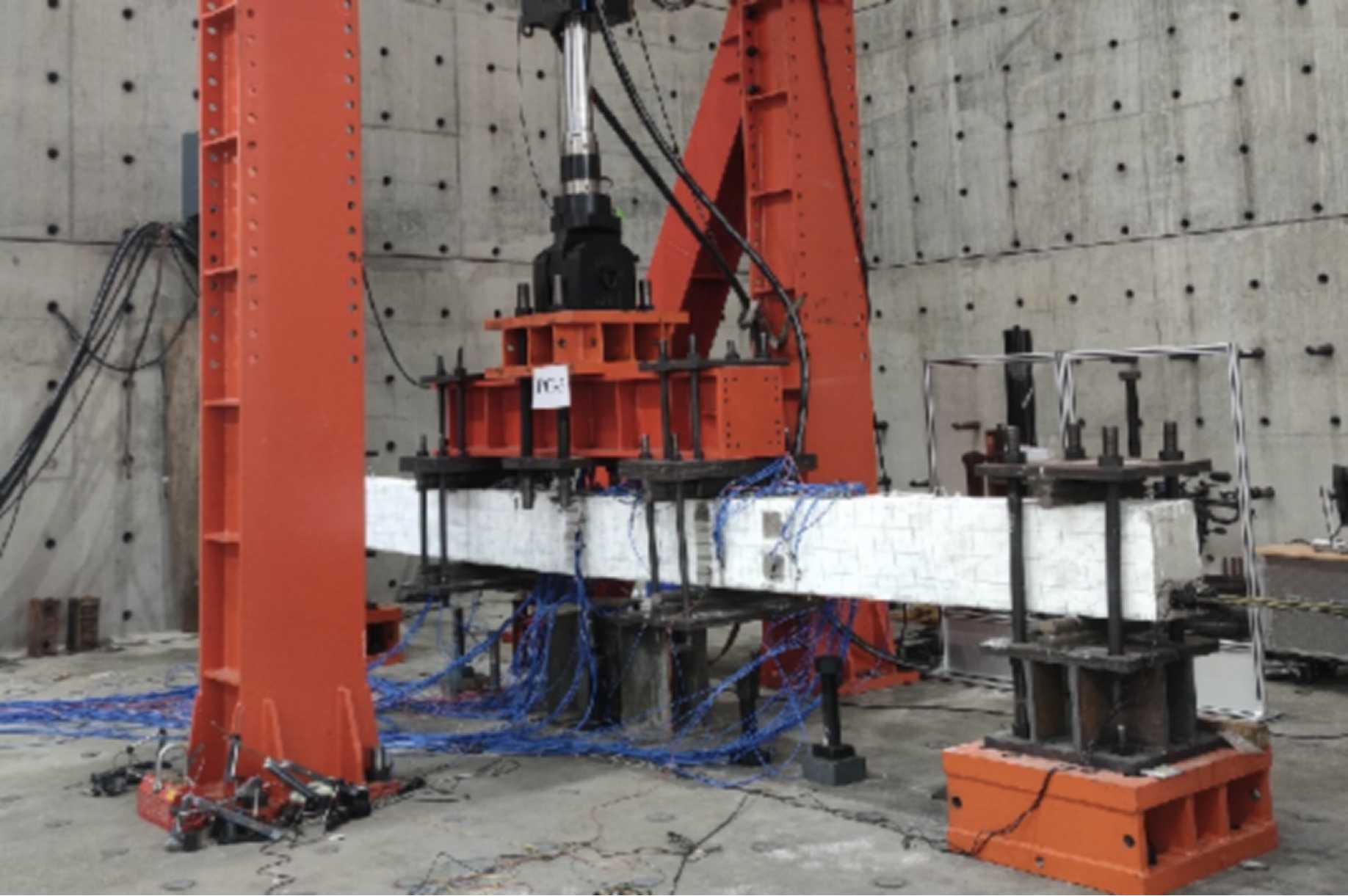
02 / Cycles & damage
Examine monotonic or reversed cyclic loading while inertia remains negligible. Cyclic response reveals unloading stiffness, residual deformation, pinching and the evolution of energy dissipation.
Explore quasi-static analysis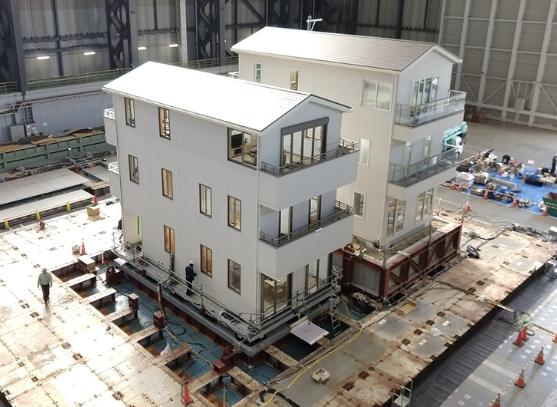
03 / Motion & response
Study time-dependent response with inertia and damping included. Modal properties and response histories help connect earthquake, vibration and impact demands with local damage and global deformation.
Explore dynamic analysisResearch scope
Material response, connections and boundary conditions shape structural performance. Each system calls for a model that captures its governing mechanisms at an appropriate level of detail.
Crack development, reinforcement yielding, confinement and bond behavior. Connect local material response with member stiffness, load capacity and deformation.
Plasticity, member instability and connection response. Examine how imperfections, local buckling and loading history influence the structural mechanism.
Load transfer between dissimilar materials, interface slip and connection stiffness. Investigate how components develop composite action and share demand.
Directional material properties, connection flexibility and cyclic behavior. Consider the role of joints in stiffness, deformation and system response.
Internal pressure, support restraint, temperature effects and ground movement. Distinguish local stress concentrations from the response of the wider network.
Wave and wind actions, foundation interaction and cyclic demand. Frame the analysis around the environmental loading and response quantities of interest.
From question to evidence
A useful simulation starts with a clear question and ends with an explanation that can be traced back to its assumptions, inputs and checks.
Identify the loading scenario, response measures and expected governing mechanisms. Set the scope before choosing the model.
Document geometry, units, constitutive laws, interfaces, supports and load application. Use detail where it changes the answer.
Check equilibrium and numerical sensitivity, then compare relevant response quantities with independent measurements or benchmarks.
Explain load paths, damage and parameter effects. Report the assumptions and uncertainty that materially affect the conclusion.
Beyond a contour plot. A converged solution is a starting point. Physical interpretation, sensitivity checks and comparison with evidence give the result meaning.
What to checkThe research notebook
Practical starting points for choosing an analysis, reviewing a model and interpreting its results.
Analysis guide
Compare static, quasi-static and dynamic approaches by the physical question, load history and response quantities.
Compare approachesModeling practice
Review units, supports, equilibrium, mesh dependence and the difference between calibration and validation.
Open the notesFurther reading
Selected OpenSees, Abaqus and CSI documentation on analysis procedures, loading and numerical checks.
Browse the reading listKeep the essential modeling and reporting checks beside your next study.
Teaching & learning
Download the lecture handouts on composite construction. The three PDF files can be read independently or kept together as a set.
Lecture 1
An introduction to the lecture series.
Download PDFLecture 2
The first part of the composite slab lecture notes.
Download PDFLecture 3
The second part of the composite slab lecture notes.
Download PDFChecking download availability…
Ideas, questions & collaboration
Get in touch to discuss structural mechanics, numerical modeling, experimental interpretation or a potential research collaboration.
Ian XUE
Include the structural system, loading scenario and the question you want to investigate.